Details to check before choosing Barcelona city tours
Booking a city activity is easy when the photos look good and the times fit your trip. The harder part is knowing what sits behind the listing. A short walk, a bike route, a food visit and a evening performance can all be called a city tour, yet they ask for very different levels of time, comfort and attention. A little checking before payment helps avoid a day that feels rushed or mismatched.
Start with the shape of the experience. Some activities focus on landmarks and short stops, while others move through neighbourhoods at a slower pace. A bike tour covers more ground and works well for people comfortable in traffic. A segway tour can feel smoother on certain routes, though it still needs clear balance and basic control. A scooter tour is different again, with more attention on road awareness. Read the route description closely, not just the headline, and note whether the main stops are places you actually want to see.
It also helps to check the level of guidance. Some outings are built around a spoken commentary, with historical context between stops. Others give guests more free time and a simple meeting point. If you care about architecture, local food or the story behind a district, look for details that show what the guide will explain. If you prefer quiet observation, a route with fewer talks may suit you better. The best barcelona tours tend to match the style of the day to the interests of the person booking, not the other way around.
Timing, meeting points and pace
Time matters more than many travellers expect. A tour that begins late in the morning may leave little room for lunch. An afternoon option can clash with heat, queues or a later dinner booking. Check the full duration, including stops, and think about what happens afterwards. If the activity ends across town, allow for the return journey rather than assuming it will be quick.

The meeting point deserves the same attention. Look at the exact location, the nearest transport links and whether there are clear instructions for finding the group. A central square can be simple on a map but confusing on a busy day. If the starting point is near a major landmark, give yourself spare time. Late arrival can shorten your experience or cause you to miss the first part, especially when the route follows a fixed schedule.
Pace is another practical detail. A route with several stops can be rewarding, but it may involve long stretches on foot. Check whether there are seated breaks, water stops or moments to explore on your own. For a family day, especially with younger travellers, a shorter route often works better than one packed with famous names. For a solo visitor, a fuller route may feel like good value in terms of what is covered.
What is included and what is not
Read the inclusions line by line. Transport, equipment, entry tickets and food are not always part of the same booking. A visit to a gourmet market may include tastings, or it may simply include commentary while you buy your own food. A flamenco show may cover the performance only, with drinks and meals arranged separately. Knowing this in advance prevents awkward surprises and helps you plan the rest of the day.
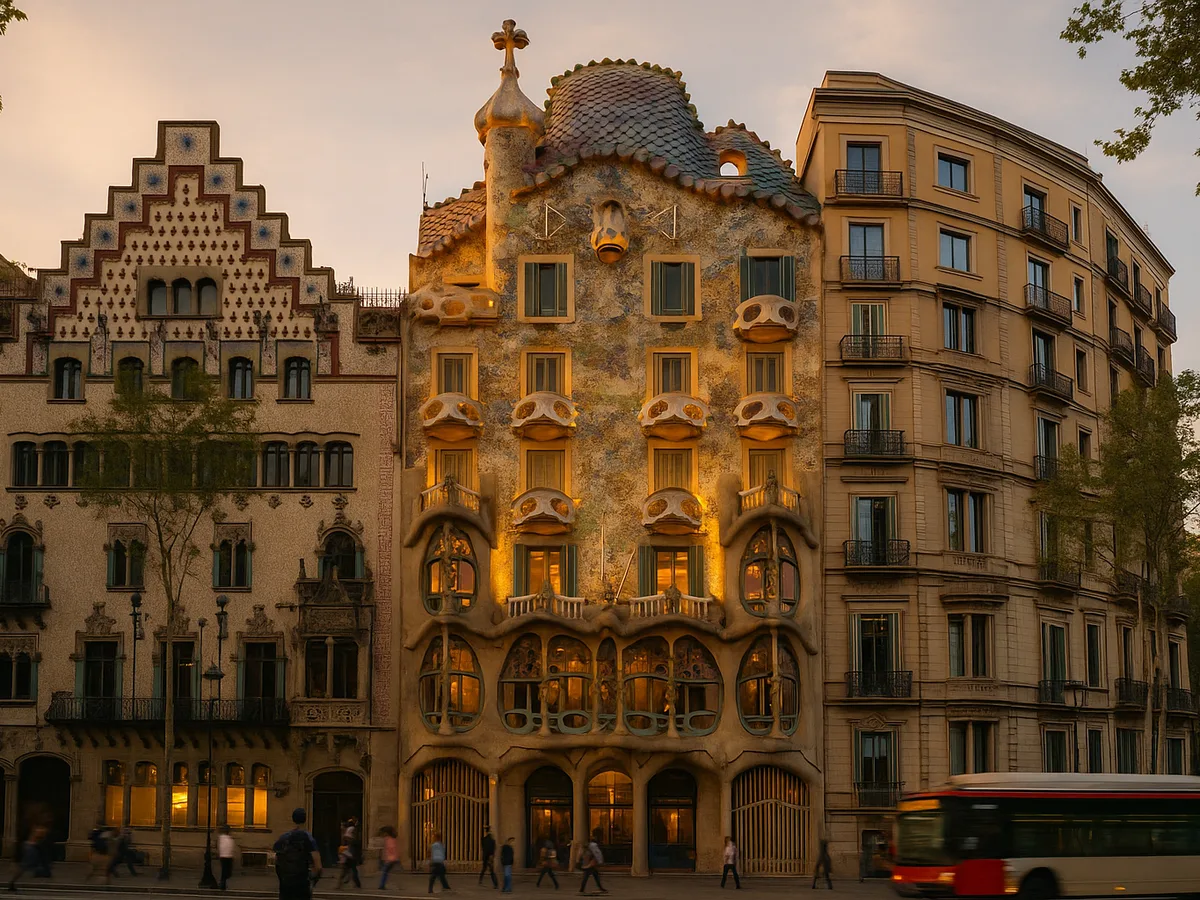
Entry access is worth checking with care. Some landmarks have timed admission, restricted areas or closed days. A route that passes güell palace may focus on the exterior, while another visit may go inside if tickets are arranged. These are different experiences. If interior access is important, look for it in writing before you book. The same applies to boqueria market, where a route can either pause briefly or spend real time explaining stalls and local produce.
Group size can change the feel of the day. A smaller group often makes it easier to ask questions and hear the guide. A larger group may move more slowly at busy stops and can feel less personal. Neither is automatically better. Think about how you like to visit a new place. Some people enjoy the energy of a crowd, while others prefer space to listen, take photographs and move at their own rhythm.

Comfort, clothing and practical limits
Before choosing an active option, check whether the route involves hills, cobblestones, stairs or longer periods standing. Comfortable shoes matter more than style on a full day out. Sun protection and a water bottle can make a warm afternoon much easier. Rain can also change the experience, especially on open routes or a catamaran cruise, so look at the cancellation terms and decide whether the plan still works in poor weather.
Physical requirements should be read honestly. A bike tour is not the same as a gentle walk, and a segway tour still needs steady footing. If a listing mentions a minimum age, fitness level or height requirement, treat it as part of the activity design rather than a minor detail. When a traveller has mobility needs, request clear information before payment. A vague answer is a sign to look for a better match.
Food-related activities need a similar check. If you avoid certain ingredients, have a allergy, or follow a specific diet, contact the organiser before booking rather than hoping for a suitable option on the day. Markets and tasting stops can involve shared spaces and fixed menus. A little clarity beforehand makes the experience far more relaxed.
Price, terms and final checks
Compare what each booking actually offers instead of looking only at the headline amount. A lower price may mean a larger group, fewer stops or no entry tickets. A higher price may include a smaller group or a more detailed route. The useful question is simple: what will the day feel like, and does that match what you want from it?
Read the terms before confirming. Look at the rules for changes, cancellations and late arrival. Check whether the activity runs in more than one language, since language can shape how much you take from the commentary. Confirm whether the route is suitable for children if they are joining. These points are easy to skip when a listing looks appealing, yet they often decide whether the day runs smoothly.
A final look at recent reviews can help, as long as they are read with care. Repeated comments about unclear meeting points, rushed stops or poor sound can be useful. A single unhappy review may reflect a bad day, while the same complaint across many reviews suggests a pattern. Balance that feedback with the route details and your own priorities.
Good planning does not require turning a day out into a formal project. It just means matching the activity to your time, comfort and interests. Check the route, the pace, the inclusions and the practical limits, then choose the option that fits the trip you are actually having. That approach makes it far easier to enjoy Barcelona without spending the day wishing you had picked something else.